Author: Midnight Sun Dental

  • Invisalign® vs. Braces: Which Is Right for You?

    Invisalign® vs. Braces: Which Is Right for You?

    Choosing between Invisalign® and braces is one of the most common decisions patients face when considering orthodontic treatment. Both options can effectively straighten your teeth and improve your smile, but they work in different ways and offer unique benefits. Understanding the key differences between Invisalign® vs braces will help you make an informed choice that fits your lifestyle, budget, and dental needs.

    At Midnight Sun Dental in Wasilla, AK, we’re here to guide you through this decision. Let’s explore how these two popular treatments compare.

    What Are the Key Differences?

    Traditional braces consist of metal brackets bonded to your teeth, connected by wires that are adjusted over time to shift your teeth into place. They’re a tried-and-true method that’s been used for decades.

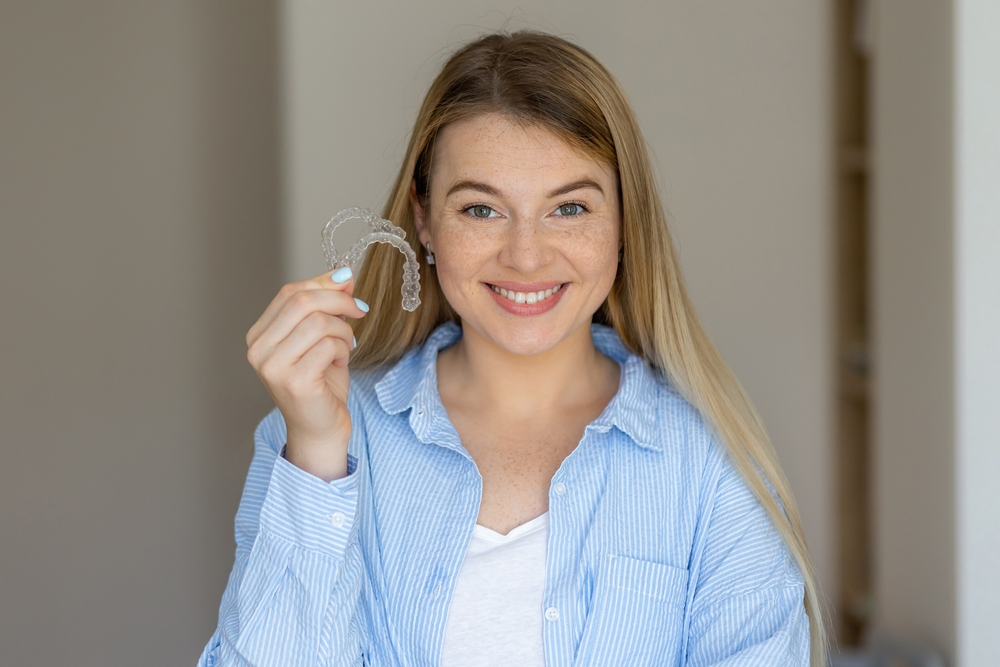
    Invisalign®, on the other hand, uses a series of clear, removable plastic aligners that are custom-made to fit your teeth. You switch to a new set of aligners every one to two weeks, gradually moving your teeth into the desired position.

    The main difference comes down to visibility and flexibility. Braces are fixed to your teeth and highly visible, while Invisalign® aligners are nearly invisible and can be removed for eating and cleaning.

    Appearance: Discreet vs. Noticeable

    For many patients, appearance is a top priority. Invisalign® aligners are made from clear plastic, making them far less noticeable than metal braces. If you’re self-conscious about how orthodontic treatment will look, Invisalign® may be the more appealing option.

    Traditional braces are more visible, though modern versions are smaller and less bulky than those from years past. Some patients even embrace their braces by choosing colored bands to personalize their look.

    If discretion matters most to you, Invisalign® tends to win in this category.

    Comfort and Convenience

    Comfort is another factor to consider when comparing Invisalign® vs braces. Braces can sometimes cause irritation to the inside of your cheeks and lips, especially after adjustments. The metal brackets and wires may feel uncomfortable until your mouth adjusts.

    Invisalign® aligners are smooth and custom-fit, so they typically cause less irritation. However, you may experience some pressure or discomfort when switching to a new set of aligners—this is a sign that they’re working.

    In terms of convenience, Invisalign® offers more flexibility. You can remove the aligners to eat, brush, and floss, which makes maintaining oral hygiene easier. With braces, you’ll need to navigate around the brackets and wires when cleaning your teeth, and certain foods (like popcorn, caramel, and hard candies) are off-limits.

    Maintenance and Care

    Keeping your teeth clean during orthodontic treatment is essential. With braces, food particles can get trapped around the brackets, so you’ll need to brush carefully and use special flossing tools. Regular dental cleanings are important to prevent plaque buildup.

    Invisalign® aligners require daily cleaning as well. You’ll need to rinse them and brush them gently to keep them clear and free of bacteria. It’s also important to brush your teeth before putting the aligners back in to avoid trapping food or bacteria against your teeth.

    Both options require commitment, but Invisalign® may be slightly easier to maintain since you can remove the aligners for cleaning.

    Treatment Timeline

    The length of treatment varies depending on the complexity of your case. On average, traditional braces are worn for 18 to 24 months, though some cases may take longer.

    Invisalign® treatment typically takes 12 to 18 months for most patients. However, this depends on how consistently you wear your aligners. For Invisalign® to work effectively, you need to wear the aligners for 20 to 22 hours per day. If you frequently remove them, treatment may take longer.

    Your orthodontist at Midnight Sun Dental will provide a personalized timeline based on your specific needs.

    Which Cases Are Best Suited for Each Option?

    Both Invisalign® and braces can treat a wide range of orthodontic issues, but some cases are better suited for one option over the other.

    Braces are often recommended for:

    • Severe crowding or spacing issues
    • Complex bite problems (overbite, underbite, crossbite)
    • Cases requiring significant tooth rotation or vertical movement

    Invisalign® works well for:

    • Mild to moderate crowding or spacing
    • Minor bite corrections
    • Patients who want a more discreet treatment option

    If you have a complicated orthodontic issue, traditional braces may provide more precise control. However, Invisalign® technology has advanced significantly and can now treat many cases that were once only suitable for braces.

    Patient Experience: What to Expect

    Let’s look at two common patient scenarios:

    Scenario 1: A high school student with moderate crowding
    This patient chooses braces because they’re effective and their parents appreciate the fixed nature—no risk of losing aligners. Treatment takes about 20 months, with adjustments every six to eight weeks. After braces are removed, they wear a retainer to maintain their new smile.

    Scenario 2: A working professional with minor spacing issues
    This patient opts for Invisalign® due to its discreet appearance and flexibility. They wear their aligners diligently and complete treatment in 14 months. The ability to remove aligners for important meetings and social events makes the process seamless.

    Both patients achieve beautiful, straight smiles—they simply chose the option that best fit their lifestyle.

    Making Your Decision

    When deciding between Invisalign® vs braces, consider the following questions:

    • How important is appearance during treatment?
    • Can you commit to wearing aligners 20-22 hours per day?
    • Do you have a complex orthodontic issue that requires more control?
    • What’s your budget for treatment?

    At Midnight Sun Dental, we’ll evaluate your unique situation and help you choose the treatment that’s right for you. We’re committed to providing personalized care that fits your needs and lifestyle.

    Start Your Smile Journey Today

    Whether you choose Invisalign® or braces, both options can give you the confident, healthy smile you deserve. The best choice depends on your specific dental needs, lifestyle, and personal preferences.

    Ready to take the next step? Contact Midnight Sun Dental in Wasilla, AK to schedule a consultation. Our experienced team will assess your teeth, discuss your goals, and recommend the best treatment option for your smile.

  • How Same-Day Crowns Save Time Without Sacrificing Quality

    How Same-Day Crowns Save Time Without Sacrificing Quality

    For many years, any dental patient who needed a crown was forced to attend multiple appointments – one to get an initial fitting and temporary crown, then at least one more after the permanent crown was created at an off-site facility. But the advent of same-day crowns in recent decades has changed all that, and can now save patients immense time and hassle without sacrificing one ounce of quality.

    At Midnight Sun Dental, we’re proud to offer the very best same-day crown services you’ll find around Anchorage, Wasilla, Eagle River, and nearby areas, helping patients remedy dental issues faster while maintaining the same high quality we’re known for. Here are some comparisons of the same-day crown process to traditional crowns, plus some key areas where time is saved, and some of the key pieces of technology that make this possible.

    Differences Between Same-Day Crown and Traditional Crown Procedures

    For those who are only familiar with the traditional, multi-appointment crown process, the same-day crown procedure may seem too good to be true. However, there are several key differences between the two procedures that allow for a quicker process with same-day crowns:

    • Single appointment vs multiple: As the name suggests, same-day crowns only require one appointment, while traditional crowns usually require at least two appointments.
    • No need for temporary crown: With same-day crowns, there is no need for a temporary crown to be placed while waiting for the permanent crown to be made. This eliminates the risk of the temporary crown falling off or causing discomfort.
    • Quicker turnaround time: With traditional crowns, it can take weeks for the permanent crown to be made and placed. Same-day crowns eliminate this waiting period as the crown is made and placed in one appointment.
    • No difference in quality: Despite the quicker turnaround time, there is no compromise in the quality of same-day crowns. They are made using high-quality materials and advanced technology, ensuring a durable and long-lasting restoration.

    How Same-Day Crowns Are Made and Applied

    Let’s walk through the basic process of how same-day crowns are made and applied all in one appointment:

    Initial Scan

    Your dentist will take a 3D scan of your mouth using a digital scanner. This scan captures the exact shape and size of your tooth, ensuring a precise fit for the crown.

    Designing

    Using specialized software, your dentist will design the custom crown based on the scan. They can make any necessary adjustments to ensure proper fit and functionality.

    Milling

    The design is then sent to an in-office milling machine, which carves out the crown from a block of high-quality ceramic material. This process typically takes around 15 minutes.

    Fitting

    Once the crown is created, your dentist will check its fit and make any final adjustments as needed. They will then carefully bond the crown to your tooth using dental cement.

    Technology Often Used

    As we noted above, digital technology is a key part of the same-day crown process. One great example is the CEREC system, which stands for Chairside Economical Restoration of Esthetic Ceramics. This system uses CAD/CAM (Computer-Aided Design/Computer-Aided Manufacturing) technology to create a 3D image of your tooth and design the crown digitally.

    The dentist then sends this digital design to an in-office milling machine, which carves out the crown from a block of high-quality ceramic material. This allows for the entire process to be completed in just one visit, without the need for messy impressions or temporary crowns.

    In other cases, different forms of technology, such as 3D printing, may be used to create the crown. This not only speeds up the process but also allows for a more precise fit and customized design.

    Importance of Working With Quality Same-Day Crown Professionals

    If you’re considering getting a same-day crown, it’s important to choose a reputable and experienced dental professional. Same-day crowns require specialized training and knowledge in order to produce high-quality results.

    Additionally, working with an established dentist who has experience with same-day crowns can provide peace of mind and assurance that the procedure will be successful. They will also be able to discuss any potential risks or complications beforehand, ensuring that you are fully informed about the process and its outcomes.

    At Midnight Sun Dental, our team has years of experience creating and applying same-day crowns for patients across Anchorage, Eagle River, Wasilla, and nearby areas. Contact us today to learn more or to schedule an appointment!

  • Veneers vs Crowns: How to Decide Which Is Right for You

    Veneers vs Crowns: How to Decide Which Is Right for You

    There are a number of cases where patients and their dentists will need to choose between multiple dental options to remedy a given issue, and the question of veneers vs crowns is a common example. What are veneers and crowns, and which is right for a given dental issue you may be experiencing?

    At Midnight Sun Dental, we’re proud to offer a wide range of both dental crowns and dental veneers for patients around Anchorage, Eagle River, Wasilla, and nearby areas. Here are some basics on how veneers vs crowns differ in terms of basic features and functions, plus how to choose between them for any kind of significant dental need.

    Veneers Vs Crowns Basics

    Here are some of the basic differences between crowns and veneers:

    Basic Function

    One of the first differences between crowns and veneers is the basic function they serve. Crowns are typically used to cover an entire tooth, while veneers cover only a portion of the tooth’s surface. Veneers are usually used for cosmetic purposes, such as fixing chipped or discolored teeth, while crowns are used for both cosmetic and functional purposes.

    Material

    Another major difference between crowns and veneers is the material they are made from. Crowns are typically made from either porcelain or metal, while veneers are made from thin layers of porcelain or composite resin. Both materials have their own advantages and disadvantages – porcelain is more natural-looking but can be prone to cracking, while metal offers durability but may not look as natural.

    Procedure

    The procedure for getting a crown or veneer also differs. Veneers are a less invasive option, as they only require the removal of a small amount of enamel from the front of the tooth. Crowns, on the other hand, require more extensive preparation and shaping of the tooth to accommodate the crown. This may involve removing more of the tooth’s structure and can be a longer and more involved process.

    Durability

    When it comes to durability, both crowns and veneers can last for many years with proper care. However, due to their thicker structure and stronger material, crowns tend to be more durable than veneers. Veneers are known to chip or crack more easily, especially if they are made from porcelain. This is because porcelain veneers are thinner and more fragile compared to crowns.

    Maintenance

    What about maintenance? Both crowns and veneers require regular dental hygiene habits such as brushing and flossing, but they may need to be treated differently. For example, if you have a crown, you should avoid biting down on hard foods or using your teeth to open packages, as this can damage the crown. On the other hand, with veneers, it’s important to avoid staining agents like coffee and red wine that can discolor the veneer material over time.

    Cost

    The cost of both crowns and veneers is another factor to consider when deciding which option is best for you. Generally, crowns tend to be more expensive than veneers due to their thicker structure and stronger materials. But this value is often recouped by their durability and longer lifespan. Veneers, on the other hand, are typically more affordable but may need to be replaced every 5-10 years, depending on the individual’s oral hygiene habits and lifestyle.

    Examples of When Each is Ideal

    When will veneers vs crowns be ideal for a patient? This will ultimately depend on a variety of factors, including budget, desired results, and the condition of one’s teeth. Here are some examples of when each option may be ideal for different patients:

    • Veneers: Veneers can be a great option for patients with minor cosmetic issues such as small chips, gaps, or discoloration. They are also suitable for those who want to improve the appearance of their smile without undergoing major changes to their natural teeth. Additionally, veneers can be a good alternative for individuals who have sufficient tooth structure but may not be eligible for other procedures due to underlying oral health issues.
    • Crowns: Crowns are typically recommended in cases where there is significant damage to a tooth, such as large cavities, cracks, or breakage. Unlike veneers, crowns cover the entire surface of the tooth and provide more protection and support. They are custom-made to fit over the natural tooth and can improve its strength, function, and appearance.

    Dental Expertise

    When choosing between veneers vs crowns for your dental needs, it is important to consult with a dentist who has expertise in both procedures. A qualified and experienced dentist will be able to assess your individual case and recommend the best treatment option for you. They will also be able to discuss any potential risks or complications associated with each procedure.

    At Midnight Sun Dental, we’re here to offer the best dental veneers and dental crown services available around Anchorage, Eagle River, Wasilla, and nearby areas. Contact us today to learn more or to schedule an appointment!

  • How Restorative Dentistry Improves Oral Function & Aesthetics

    How Restorative Dentistry Improves Oral Function & Aesthetics

    You may have heard of a few different forms of dentistry that are offered by dental clinics, and one of the most common is “restorative dentistry.” What is restorative dentistry, and how does it improve both oral function and aesthetics simultaneously for many patients?

    At Midnight Sun Dental, we’re here to offer the best restorative dentistry services available around Anchorage, Eagle River, Wasilla, and nearby areas, including dental crowns, same-day crowns, and various dental implant solutions. Here are some basic definitions of restorative dentistry, plus how these services help improve both function and aesthetics for patients in multiple potential ways.

    What Does Restorative Dentistry Cover?

    Restorative dentistry is actually an umbrella category that contains a few key sub-categories:

    • Crowns: Dental crowns are tooth-shaped caps placed over teeth that have been damaged or weakened by decay, injury, or other issues. Crowns provide strength and protection for the remaining tooth structure.
    • Bridges: Bridges are permanent prosthetic devices used to replace one or more missing teeth. They consist of a pontic (artificial tooth) anchored on either side by dental crowns.
    • Implants: Dental implants are artificial tooth roots surgically implanted into the jawbone to support replacement teeth such as crowns, bridges, or dentures.
    • Dentures: Dentures are removable appliances used to replace multiple missing teeth. They can be partial (replacing some but not all teeth in an arch) or complete (replacing all teeth in an arch).

    Kinds of Issues Restorative Dentistry is Often Used For

    While this is not an exhaustive list by any means, here are some of the issues restorative dentistry will often be employed to help remedy:

    Tooth Loss

    For the most part, restorative dentistry is used to correct issues with the teeth that have been lost as a result of injury or decay. This includes both individual tooth loss as well as multiple teeth at once.

    When someone loses a tooth, they can experience all sorts of problems over time. Their remaining teeth may drift, for example, leading to changes in their bite and noticeable gaps between their teeth. A dentist qualified in restorative dentistry can use implants, partials (dentures), or bridges to replace missing teeth and keep things functioning properly.

    Tooth Damage

    Teeth might be damaged through general wear and tear, trauma (such as knocking them out while playing sports), or even biting down on something hard. With the exception of a knocked-out tooth, this damage is usually less severe than the issues discussed above. Nevertheless, if left untreated, it can still cause problems for you down the line.

    Fortunately, dentists are highly trained in restorative dentistry and can offer a range of solutions for damaged teeth. These may include fillings, crowns, or veneers, depending on the extent of the damage. In some cases, root canal treatment may also be necessary to save a severely damaged tooth.

    Tooth Decay

    In many other cases, restorative dentistry will be used to address tooth decay. This is a common problem caused by the buildup of plaque and bacteria on the teeth, which produces acids that can eat away at the enamel and eventually cause cavities.

    If left untreated, tooth decay can progress and lead to serious oral health issues such as gum disease or tooth loss. But restorative dentistry will use procedures such as fillings, crowns, and root canal treatment to repair the damage caused by decay and restore the strength and function of the affected tooth.

    How Restorative Dentistry Improves Both Function and Appearance

    In many cases, restorative dentistry offers both functional and aesthetic improvements. Some examples:

    • Improved chewing: When a tooth is damaged or missing, it can make chewing difficult and uncomfortable. Restorative procedures such as fillings, crowns, or implants can restore the ability to chew with ease.
    • Better speech: Missing teeth or poorly fitted dentures can affect speech patterns and lead to difficulty speaking clearly. With restorative dentistry, these issues can be corrected and improve overall communication.
    • Enhanced appearance: Restorative dentistry not only repairs damage, but it can also greatly improve the look of a smile. Procedures like dental bonding or veneers can correct imperfections such as chips, cracks, discoloration, or gaps between teeth.
    • Preservation of natural teeth: In some cases, where a tooth is damaged or decayed, restorative dentistry can save the natural tooth instead of needing to extract it. This is important for maintaining proper chewing function and preventing future oral health issues.
    • Boosts confidence: A restored smile can have a big impact on one’s self-confidence and self-esteem. Restorative dentistry can help individuals feel more comfortable smiling, talking, and interacting with others without worrying about their teeth.

    At Midnight Sun Dental, we’re proud to offer comprehensive restorative dentistry solutions to patients around Anchorage, Wasilla, Eagle River, and nearby areas. Contact us today to learn more or schedule an appointment!

  • Why Biannual Dental Checkups Are Key to Lifelong Oral Health

    Why Biannual Dental Checkups Are Key to Lifelong Oral Health

    There are a few elements that play a major role in maintaining long-term oral health, and regular dental checkups are high on any such list. Biannual dental checkups are generally the recommended template for most patients – why is this, and how do checkups at this frequency help maintain lifelong oral health?

    At Midnight Sun Dental, we’re proud to offer a wide range of dental services to families around Anchorage, Wasilla, Eagle River, and nearby areas, including everything from general family dentistry to emergency dentistry and more. We perform biannual dental checkups for all of our regular patients, offering them all the benefits that come with these important appointments. Here are some key reasons why biannual dental checkups are so important for long-term oral health.

    Issues That Can Be Detected Early

    One of the top purposes of biannual dental checkups is to be proactive about your dental health. During these appointments, our dentists will perform a thorough examination of your mouth and teeth to check for any potential signs of problems.

    This includes checking for cavities, gum disease, oral cancer, and other issues that can develop over time. By detecting these issues early on, we are able to provide prompt treatment and prevent them from worsening or causing more serious complications down the line.

    Related Benefits of Consistent Dental Cleanings and Exams

    In addition to early detection of possible dental issues, biannual dental checkups offer several other benefits that contribute to overall oral health and well-being. These include:

    • Removal of plaque and tartar buildup: Even with regular brushing and flossing, it is inevitable for some plaque and tartar to accumulate on our teeth. Professional cleanings help remove these buildups, preventing them from causing cavities or gum disease.
    • Fresher breath: Bacteria in our mouth can lead to bad breath if left unchecked. Regular dental cleanings can help get rid of these bacteria, leaving your breath smelling fresher.
    • Improved appearance: Cleanings not only remove stains caused by food and drinks but also polish the surface of your teeth, giving you a brighter smile.
    • Customized advice for oral care: During a dental cleaning, your dentist or hygienist can provide you with personalized tips and advice for maintaining good oral hygiene. They can also spot any potential issues early on and recommend preventive measures to keep your teeth and gums healthy.
    • Better overall health: Good oral health is linked to better overall health. By keeping up with regular dental cleanings, you are not only taking care of your teeth but also reducing the risk of developing other health conditions such as heart disease, diabetes, and respiratory infections.

    How Biannual Dental Checkups Reduce Long-Term Costs

    Furthermore, there’s a financial benefit to attending biannual dental checkups. By catching any potential issues early on, you can avoid costly procedures in the future. For example, getting a cavity filled is much less expensive than needing a root canal or tooth extraction.

    Additionally, regular cleanings and checkups can help prevent more serious dental problems that may require extensive and expensive treatment, such as gum disease or oral cancer.
    By investing in biannual dental checkups now, you are not only saving money in the long run but also protecting your overall health.

    Why Two Visits Per Year?

    So why is it recommended to visit the dentist twice a year for routine checkups? There are several reasons why this frequency is recommended by dental professionals.

    Visiting every six months, for starters, allows for cleaning at intervals dentists have determined are typically ideal for removing plaque and tartar buildup. These are the main culprits for decay and gum disease, and regular cleanings go a long way in preventing them from causing more serious issues.

    Additionally, biannual visits give dentists a chance to catch any potential problems early on. This includes cavities, which can quickly escalate if left untreated, as well as oral cancer screenings that can detect signs of disease before they become dangerous.

    And finally, two visits each year allow for proper monitoring of existing dental work, such as fillings or crowns. This ensures that they are functioning properly and can be replaced if necessary before they cause any further damage to the tooth.

    And at our offices at Midnight Sun Dental, we’re here to help with biannual dental checkups for all our patients to ensure that their oral health is always in the best condition. Our team of highly skilled dentists and hygienists will provide a thorough examination, cleanings, and any necessary treatments to keep your smile looking and feeling its best.

    Contact us today for these or any other dental services around Anchorage, Wasilla, Eagle River, or nearby areas!

  • How to Maintain a Smile During & After Invisalign Treatment

    How to Maintain a Smile During & After Invisalign Treatment

    There are several dental treatments that require proper attention after the initial appointment to maintain their purposes, and Invisalign treatments are great examples. Some very basic approaches during and after Invisalign treatments will help ensure that this increasingly popular method of dental aligners is as effective as possible.

    At Midnight Sun Dental, we’re here to offer the very best Invisalign treatments available around Anchorage, Eagle River, Wasilla, and nearby areas, including Invisalign aftercare recommendations and more to ensure your treatments perform optimally. Here are some tips for Invisalign treatments themselves and Invisalign aftercare to maintain a healthy, beautiful smile.

    Keeping Teeth Clean Before and During Invisalign Treatment

    Both before and during Invisalign treatments, it’s important to maintain good oral hygiene. This includes brushing your teeth at least twice a day with fluoride toothpaste and flossing daily. It’s also recommended to use an antibacterial mouthwash to help prevent any infections or bacteria from forming in the mouth.

    It’s especially important to keep your teeth clean while wearing the Invisalign aligners. Since they are removable, it’s easy for food particles and bacteria to get trapped between the aligners and your teeth. To avoid this, make sure to brush your teeth after every meal before putting the aligners back in.

    Importance of Wearing Retainers

    One of the simplest ways to maintain your smile using Invisalign aligners: You have to wear them! You’d be surprised how often people forget that simple step. Just like with traditional braces, it’s important to wear your aligners for the recommended amount of time each day in order for them to effectively straighten your teeth.

    But the treatment doesn’t end when you finish wearing the aligners. In order to maintain your newly aligned smile, it’s essential to wear a retainer after completing Invisalign treatment. Retainers are custom-made devices that help prevent your teeth from shifting back into their original positions.

    There are different types of retainers available, and your orthodontist will determine which one is best suited for you based on your individual needs. It’s important to follow the instructions given by your orthodontist regarding wearing the retainer.

    Possible Food Restrictions

    In some cases, your orthodontist may advise you to avoid certain types of food during Invisalign treatment. This is because some foods can get stuck in the aligners or cause damage to the aligner trays. It’s important to follow these restrictions to ensure that your treatment progresses smoothly and effectively.

    Foods that are sometimes restricted during Invisalign treatment include:

    • Sticky foods such as chewing gum, caramels, and gummy candies
    • Hard foods such as nuts, hard candies, and raw vegetables
    • Sugary foods like cookies, cakes, and soda
    • Acidic foods and drinks like citrus fruits and juices

    Proper Invisalign Hygiene

    When you wear Invisalign aligners, it’s important to maintain good oral hygiene. This means following a proper dental care routine that includes brushing and flossing after every meal or snack. You should also gently clean your aligner trays before putting them back in your mouth.

    In addition to cleaning your teeth and aligners regularly, it’s recommended to visit your dentist for regular check-ups and cleanings during Invisalign treatment. Your dentist can ensure that your teeth and gums are healthy and make any necessary adjustments to keep your treatment on track.

    Maintaining Invisalign Results Long-Term

    In addition to what we’ve gone over so far, here are some basic tips on how to maintain your Invisalign results long-term:

    • Continue wearing your retainer as directed by your dentist. This will help prevent your teeth from shifting back to their original positions.
    • Follow good oral hygiene practices, including brushing twice a day and flossing daily.
    • Avoid eating hard or sticky foods that can damage your aligners or cause them to become dislodged.
    • If you play sports, be sure to wear a mouthguard to protect both your teeth and aligners.
    • Visit your dentist regularly for check-ups and cleanings, even after completing Invisalign treatment.

    Furthermore, be sure to check in with your dentist if you’re having any kind of discomfort or noticing any changes in your alignment. They can provide guidance and make any necessary adjustments to ensure your continued progress.

    At Midnight Sun Dental, we’re here to provide the best Invisalign treatment and Invisalign aftercare services available around Anchorage, Eagle River, Wasilla, and nearby areas. Contact us today to learn more or to schedule an appointment for these or any other dental needs in the area!

  • How Veneers Can Fix Multiple Smile Flaws in One Treatment

    How Veneers Can Fix Multiple Smile Flaws in One Treatment

    Certain kinds of dental treatments are quite versatile in nature and can be used for multiple issues simultaneously. Dental veneers for smile makeovers are a great example, with the ability to remedy multiple potential smile issues all in the same treatment.

    At Midnight Sun Dental, we’re proud to offer quality veneers for smile makeovers to patients around Anchorage, Eagle River, Wasilla, and nearby parts of Alaska. Here are some ways dental veneers can correct multiple cosmetic flaws within the same treatment, helping simplify smile makeover plans for many patients.

    What Are Dental Veneers?

    For those just learning about them for the first time, dental veneers are thin, tooth-colored shells that are custom-made to fit over the front surface of your teeth. They’re bonded into place with a strong adhesive and usually consist of porcelain or composite resin materials. Unlike some cosmetic treatments, veneers don’t actually replace your natural tooth structure – they simply hide imperfections by changing its appearance.

    Multiple Issues Dental Veneers Can Remedy in One Treatment

    Here are several examples of dental issues that veneers can assist with:

    • Tooth gaps: If you have a gap between your teeth that is too small for braces, but still bothers you, veneers can be used to close the gap and create a more uniform smile. They will be custom-made to fit your teeth and can be placed during a single visit.
    • Discoloration: Veneers can cover up stains or discoloration on your teeth that may not respond well to traditional whitening methods. This is especially helpful for individuals with deep stains or discoloration from certain medications.
    • Chipped or broken teeth: Veneers can help restore the appearance of chipped or broken teeth by covering up the damaged area and creating a smooth, natural-looking surface. This eliminates the need for more invasive procedures like bonding or crowns.
    • Misshapen or uneven teeth: If you have naturally misshapen or uneven teeth, veneers can be used to create a more uniform and symmetrical appearance. This can greatly improve the overall aesthetics of your smile.
    • Slight misalignment: For minor cases of crooked or crowded teeth, veneers can be a great alternative to braces. They can help create the illusion of straighter teeth by covering up any gaps or overlapping areas.

    How Many Visits Are Required?

    As some of our readers may be aware, typical veneer treatments require at least two appointments. This is because they need to have oral impressions taken, which then need to be sent to a lab to create the veneer and send it back to your dentist’s office.

    However, at Midnight Sun Dental, we’re proud to offer same-day veneers! Our advanced technology allows us to create and place your veneers in just one visit (under an hour, in fact), saving you time and hassle.

    How Veneers Simplify Smile Makeover Plans

    Veneers can play a key role in a complete smile makeover plan. If you’re unhappy with the appearance of your teeth, you may be considering cosmetic dental procedures such as teeth whitening, bonding, or crowns. However, these treatments can often take multiple visits and involve invasive procedures.

    With veneers, you can achieve a dramatic improvement in the appearance of your smile with just one simple procedure. Veneers are custom-made to fit your individual teeth and desired outcome. They can address a variety of issues such as discoloration, gaps between teeth, and chipped or misshapen teeth.

    Additionally, because veneers are made of porcelain material, they are resistant to staining from food and drinks. This means that not only will your smile look great after the procedure, but it will also continue to look bright and white for years to come.

    Another benefit of veneers is that they require minimal maintenance. You can care for them just like you would with your natural teeth, by brushing and flossing regularly.

    Importance of Veneers From Experienced Dental Professionals

    If you are considering getting veneers, it is important to consult with an experienced dental professional. A qualified dentist will be able to properly assess your oral health and determine if veneers are the best option for you. They can also provide guidance on the best type of veneers for your specific needs, such as traditional porcelain or no-prep veneers.

    Having a skilled and experienced dentist perform the procedure is crucial for achieving successful and long-lasting results. Improperly placed or poorly made veneers can cause discomfort, sensitivity, and even damage to your natural teeth.

    At Midnight Sun Dental, we’re here to provide the best dental veneers for smile makeovers for clients around Anchorage, Eagle River, Wasilla, and nearby areas. Contact us today to learn more or schedule an appointment!

  • Difference Between Dental Veneers, Bonding, and Crowns

    Difference Between Dental Veneers, Bonding, and Crowns

    If you’re looking to upgrade your smile through dental services, you have a few robust options at your disposal. Veneers, bonding, crowns and more – which are right for you?

    At Midnight Sun Dental, we’re here to offer the very best dental veneers, bonding, crowns and related dental product services for patients around Anchorage, Wasilla, Eagle River and nearby areas. Here are some basics on these three products and how they differ, plus which might be ideal for your needs.

    Basic Definitions

    Firstly, let’s define all three of these products:

    Veneers

    Dental veneers are thin, custom-made shells that are placed over the front surface of your teeth to improve their appearance. They are typically made from porcelain or composite resin and can be used to correct a variety of dental issues such as chipped, stained or misshapen teeth.

    Bonding

    Dental bonding is a process in which a tooth-colored resin material is applied and hardened with a special light, essentially “bonding” it to the tooth. This can also be used to repair chips or cracks in teeth, as well as cover stains or fill gaps between teeth.

    Crowns

    Dental crowns, also known as caps, are prosthetic restorations that completely cover the visible portion of a tooth. They are typically made of porcelain or ceramic to match the color and texture of natural teeth, but can also be made from metal or a combination of materials. Crowns are often used to strengthen weak or damaged teeth, as well as improve their appearance.

    Cosmetic Vs Structural Purposes

    Some of the key differences between veneers, bonding and crowns are found in the way they are applied, the materials used and their overall purpose. While veneers and bonding are primarily used for cosmetic purposes, crowns have both structural and cosmetic benefits.

    Veneers only cover the front surface of a tooth, providing a more uniform appearance and concealing imperfections such as stains or chips. Bonding involves applying a tooth-colored resin to repair minor flaws or gaps in teeth. Both procedures are less invasive than crowns since they require minimal removal of natural tooth structure.

    On the other hand, crowns provide stronger support for weak or damaged teeth by covering the entire visible portion of the tooth. They can protect against further damage and help restore proper function for chewing and speaking. In addition, crowns can improve the appearance of severely discolored or misshapen teeth.

    Other Key Comparison Areas

    There are a few other important areas in which to compare veneers, bonding and crowns:

    • Durability: Crowns are definitely the most durable option, as they are custom-made from strong materials such as porcelain or metal. Veneers and bonding may need to be replaced after a few years due to wear or damage.
    • Cost: Veneers tend to be the most expensive option, followed by crowns and bonding. However, the longevity of each treatment must also be considered when comparing costs.
    • Maintenance: Crowns require minimal maintenance, while veneers and bonding may have specific care instructions to ensure their longevity.
    • Appearance: All three options can greatly improve the appearance of a damaged tooth, but veneers and bonding may be more customizable in terms of color and shape.
    • Procedure: Crowns typically require multiple appointments and involve removing more of the natural tooth structure. Veneers and bonding can often be completed in one appointment with minimal removal of natural tooth structure.

    Making the Right Choice for You

    As you compare veneers, bonding and crowns for your own dental needs, it’s important to consult with a dentist who can provide personalized recommendations. Factors such as the extent of damage or discoloration, budget, and personal preferences should be taken into consideration when deciding on the best option for you.

    It’s also important to note that while veneers and bonding may offer more aesthetic customization and require less natural tooth structure removal, they may not be suitable for more severe cases of damage or decay. In these situations, crowns may be necessary for both cosmetic and functional purposes.

    Importance of Care

    No matter whether you receive veneers, bonding, crowns or any other type of dental treatment, proper care is crucial in maintaining their longevity and preserving your overall oral health. All three options require regular brushing and flossing, as well as routine visits to the dentist for cleanings and check-ups.

    However, with veneers and bonding, it’s important to avoid habits that can cause damage or discoloration such as biting on hard objects or smoking. With crowns, proper care and maintenance may also include avoiding sticky or chewy foods that could dislodge them.

    At Midnight Sun Dental, we’re proud to assist clients around Anchorage, Eagle River and Wasilla with all their veneers, bonding, crowns and other dental needs. Contact us today to learn more or get started!

  • When Are Dental Crowns the Best Choice for Your Needs?

    When Are Dental Crowns the Best Choice for Your Needs?

    A few different dental products may be ideal for tooth replacements or related needs, and one of the most well-known here is the dental crown. How can you know when to get dental crowns, and when they’re the best choice for your needs?

    At Midnight Sun Dental, we’re here to offer an unmatched range of dental services around Anchorage, Eagle River, Wasilla and nearby areas, including dental crowns for any need. Here are some basics on situations where dental crowns are often the ideal option, plus tips on when to get dental crowns and some related recommendations from our dentists.

    What Are Dental Crowns?

    For those just learning about dental crowns, they’re a type of tooth “cap” that covers the entire visible surface of the tooth. Dental crowns are custom-made to fit your unique teeth and are typically made from materials such as porcelain, ceramic, metal or a combination of materials.

    They are designed to mimic the appearance of natural teeth while also providing strength and durability. Some crowns are even made to match the color of your surrounding teeth, making them virtually indistinguishable.

    Situations Where Dental Crowns Are Often Most Suitable

    Here are a few situations where dental crowns are often the most suitable option:

    • Cracked teeth: If you have a cracked tooth, a dental crown can help stabilize and protect the damaged tooth from further harm.
    • Worn-down teeth: Over time, our teeth can become worn down due to grinding or other factors. Dental crowns can restore the shape and function of these teeth.
    • Large fillings: If you have a large filling, a dental crown can provide additional support and protection to prevent the tooth from breaking.
    • Root canal treatment: After undergoing root canal treatment, teeth can become weak and brittle. A dental crown can help strengthen and protect the treated tooth.
    • Cosmetic concerns: Dental crowns can also be used for cosmetic purposes, such as covering severely discolored or misshapen teeth.

    Durability and Protection Benefits of Dental Crowns

    One of the great things about dental crowns is their durability and ability to provide protection for weakened or damaged teeth. As mentioned earlier, dental crowns can help prevent further damage to a tooth that has a large filling or has undergone root canal treatment. This is because the crown acts as a strong outer layer, providing support and stability to the tooth.

    In addition, dental crowns are made from strong materials such as porcelain, ceramic, or metal alloys which are known for their strength and resilience. This makes them able to withstand the daily wear and tear of chewing and speaking without becoming damaged themselves.

    Material Selection

    When it comes to material selection for dental crowns, there are several options available. Your dentist will recommend the best material for your specific case, taking into consideration factors such as budget, location of the tooth in the mouth, and aesthetic preferences.

    • Porcelain or ceramic crowns are often preferred for their natural appearance that blends well with surrounding teeth. They can also be color-matched to your existing teeth for a seamless look.
    • Metal alloy crowns, such as gold or silver, may be recommended for their strength and durability. However, they are more noticeable in the mouth and may not be suitable for front teeth.
    • Porcelain-fused-to-metal (PFM) crowns offer a combination of strength and aesthetics. The outer layer is made of porcelain while the inner layer is made of metal for added strength.
    • All-ceramic crowns are becoming increasingly popular due to their natural appearance and durability. They do not contain any metal and are a good option for those with metal allergies.
    • Zirconia crowns, also known as “zirconium” or “Zr”, are made from a strong ceramic material that can withstand biting forces. They are highly biocompatible and can be color-matched to your existing teeth.

    Aesthetic Considerations

    If you’re considering getting a dental crown, it’s important to consider the aesthetic aspects. Your dentist will work with you to customize the shape, size, and color of your crown to ensure it blends seamlessly with your natural teeth.

    Some patients may also choose to get a full set of ceramic crowns for cosmetic reasons. These are often referred to as “smile makeovers” and can dramatically improve the appearance of your smile.

    At Midnight Sun Dental, we’re here to offer the very best dental crown services available around Anchorage, Eagle River, Wasilla and nearby areas, including same-day crowns. Contact us today to learn more or schedule an appointment!

  • Dental Implants vs. Bridges: Which Option Is Right for You?

    Dental Implants vs. Bridges: Which Option Is Right for You?

    If you’re in need of tooth replacement, two of your most notable options that are often compared with one another are dental implants vs bridges. What are the basic differences between these two products, and which is right for you?

    At Midnight Sun Dental, we’re here to offer the very best dental services available around Anchorage, Eagle River, Wasilla and nearby areas, including dental implants, bridges and several other quality solutions to meet any patient need. Here are some of the basics on both these products, how they compare to one another in some key areas, and which kinds of patients might be ideal candidates for each.

    Basics on Dental Implants Vs Bridges

    Here are some basic factors to know when comparing dental implants and bridges:

    • Dental Implants: These are artificial tooth roots that are surgically placed into the jawbone. They serve as a sturdy base for replacement teeth, which are custom-made to match your natural teeth in color and shape.
    • Bridges: Bridges, on the other hand, are non-surgical options that use neighboring teeth as anchors for one or more missing teeth. The two main types of bridges are traditional fixed bridges and resin-bonded bridges.

    How Do They Compare?

    When considering dental implants vs bridges, there are several key areas in which they differ:

    • Durability: Dental implants have an impressive success rate of up to 98%, making them a highly durable option for replacing missing teeth. Bridges, while also long-lasting, may need to be replaced or adjusted over time due to wear and tear on the supporting teeth.
    • Appearance: Both dental implants and bridges can provide natural-looking results, but dental implants have an advantage in that they are individually placed and custom-made to match your existing teeth.
    • Bone Health: Dental implants stimulate the jawbone like natural tooth roots, helping to maintain bone density and prevent further loss. Bridges do not have this effect and may contribute to bone loss over time, though this can be mitigated through proper care
    • Maintenance: Implants can be cared for just like real teeth with regular brushing, flossing, and dental check-ups. Bridges require special care to keep the area underneath clean and prevent decay.
    • Longevity: With proper maintenance, dental implants can last a lifetime, making them a long-term investment in your oral health. Bridges typically need to be replaced every 5-15 years depending on their materials and quality of care.
    • Cost: While bridges may initially be less expensive than implants, they may end up costing more over time due to replacement costs. In addition, many insurance plans now cover at least a portion of the cost for dental implants.

    Who is a Good Candidate for Each?

    When it comes to dental implants vs bridges, there are a few factors to consider when deciding which option is best for you. Here are some general guidelines:

    • Dental Implants: Dental implants are often recommended for those who have one or more missing teeth and have a healthy jawbone and gums. They are also a good option for those who want a permanent solution that looks and feels like their natural teeth.
    • Bridges: Bridges may be a better choice for individuals with multiple missing teeth in the same area, as they can support several replacement teeth at once. They may also be recommended for those with weaker jawbones or gum disease, as they do not require as much bone support as implants do.

    Importance of Quality Dental Professionals

    Whether you’re receiving a dental implant, a bridge or any other kind of tooth replacement, it’s crucial to seek out a quality dental professional. A skilled and experienced dentist can help ensure the success of your tooth replacement procedure and ensure that your new teeth blend seamlessly with your natural ones.

    For instance, an experienced dentist will know how to properly place dental implants in order to avoid nerve damage or infection. They will also make sure that the implant is positioned correctly for optimal function and aesthetics.

    In addition, a quality dental professional will use high-quality materials and state-of-the-art technology to create your tooth replacement. This can greatly impact the longevity and durability of your new teeth, saving you time and money in the long run.

    At Midnight Sun Dental, we’re proud to offer the best dental implant and other tooth replacement services available around Anchorage, Eagle River, Wasilla and nearby areas, plus various other oral care and dental solutions. Contact us today to learn more about our quality services and how we can help you achieve a healthy, confident smile!